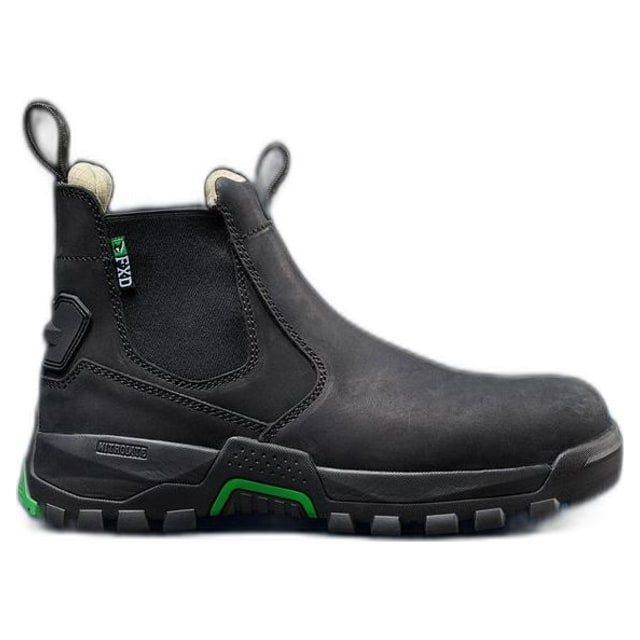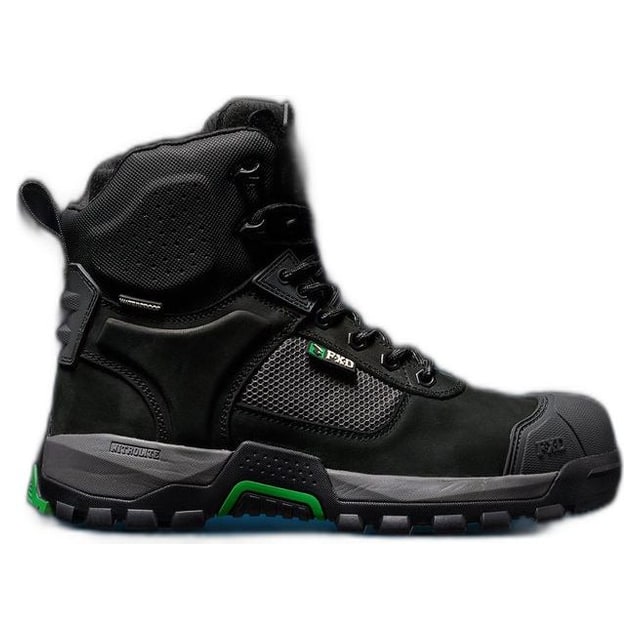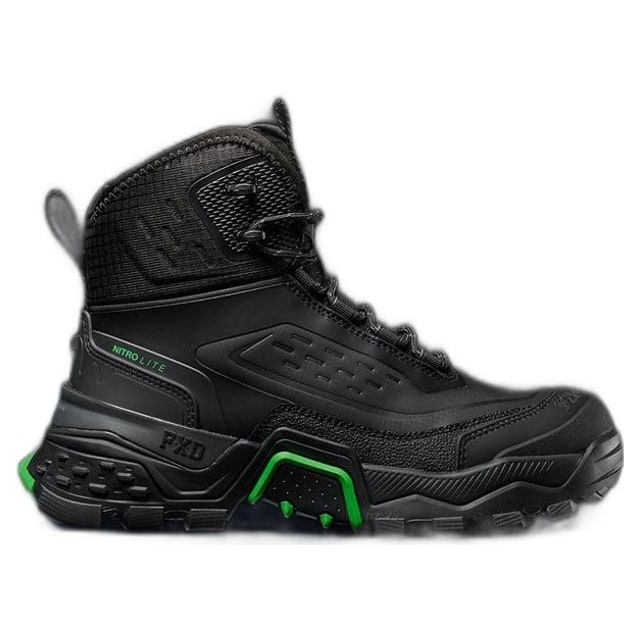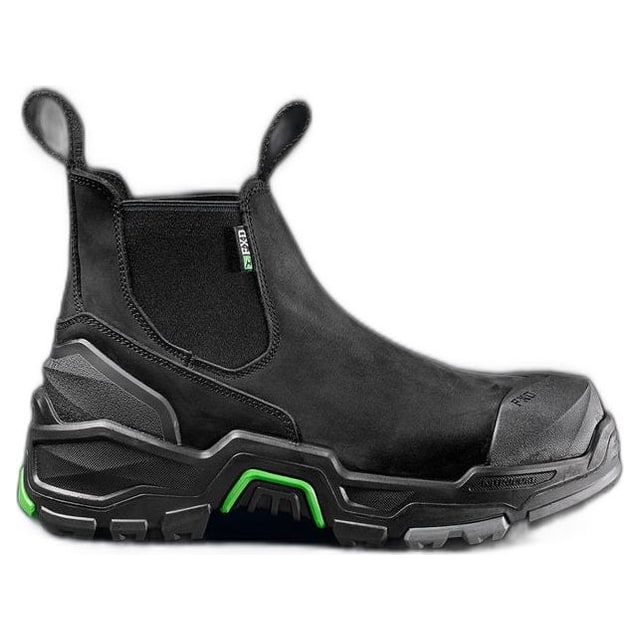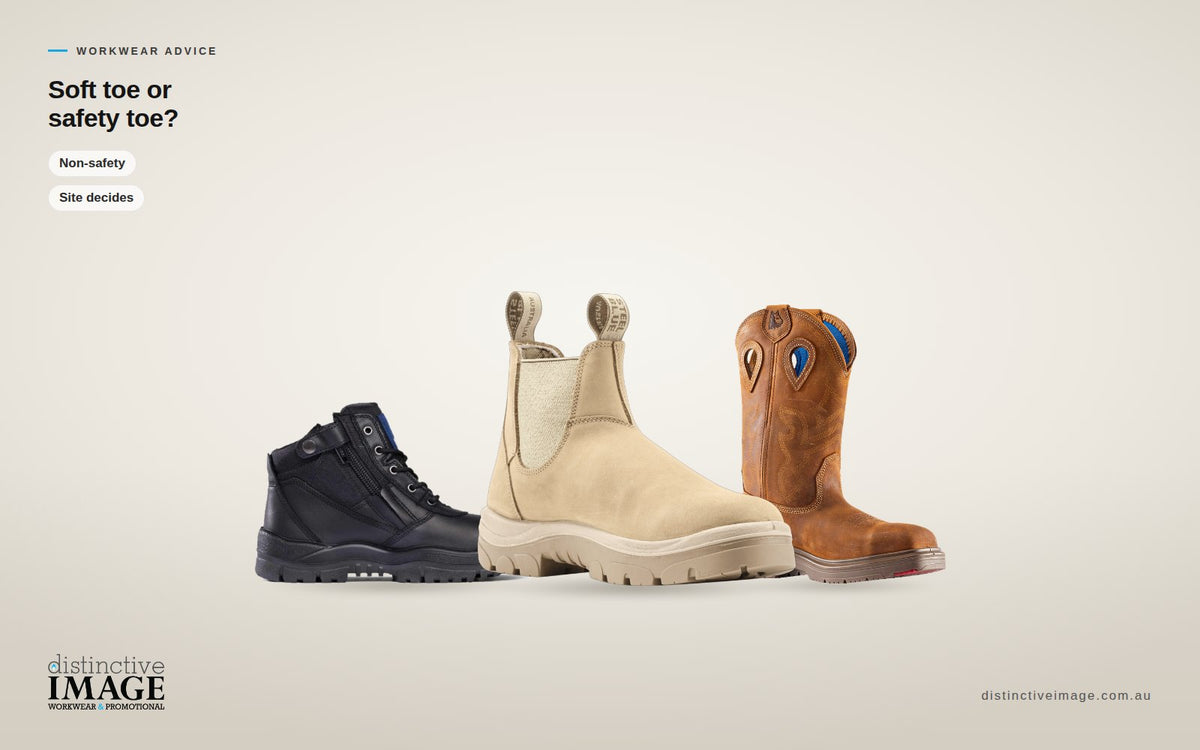
A non-safety work boot, often called a soft-toe boot, is built like a work boot but has no protective toe cap. It makes sense when your employer or site doesn't require safety footwear and nothing in your day is likely to land on, roll over or crush your feet. If your workplace says safety boots, that settles it: wear safety boots, whatever you'd prefer.
Your site decides, not the boot
Toe protection isn't a style choice. Whether you need it is set by your employer's or principal contractor's safety requirements for the work you do, and it often shows up in a site induction or uniform policy. If you're not sure, ask your supervisor or safety officer before you buy, and get the answer for every place you'll actually work, not just your main one.
A good test: if you'd need safety boots even one day a week, buy for that day. Swapping boots in the ute between jobs sounds easy until the morning you forget.
Where a soft-toe boot is a sensible choice
Plenty of people wear boots to work without any requirement for a safety toe. Common examples:
- Some driving roles, where you aren't loading, unloading or working around plant.
- Retail, hospitality and showroom staff who want a tidy, hard-wearing boot for long days on their feet.
- Farm and property work, where the owner has decided toe protection isn't needed for that task.
- Office or sales staff who visit a yard, where the site's visitor rules don't ask for safety footwear. Many sites do, so check before you go.
- After work, weekends and town. A lot of people simply like the look and feel of a work boot without the cap.
Even in these jobs, things change. A driver who starts helping with deliveries, or a farmhand who starts working cattle in yards, should re-check the requirement.
When to stick with safety boots
If your work involves heavy materials, pallets, forklifts or pallet jacks, tools that can be dropped, or vehicles and machinery moving around you, wear a safety toe, and raise it with your supervisor even if nobody has spelled it out. Construction sites, warehouses and workshops almost always fall into this group. If weight or width is what's putting you off safety boots, there are better fixes than going without:
- Composite toe caps are usually lighter than steel. Our guide to metal-free and composite-toe safety boots explains the options.
- If the cap pinches, the boot may simply be too narrow. See wide-fit work boots in 2E, EE and 4E.
The same boot, with and without the cap
Several boots in our range come in both versions, so you can see exactly what changes. Here's what the listings say:
| Boot | Non-safety version | Safety version | What the listings show |
|---|---|---|---|
| Steel Blue Hobart elastic side | 310101, "Soft Toe" | 312101, 200J steel toe cap | 310101 lists AS/NZS 2210.5; 312101 lists AS/NZS 2210.3. Both list a heat resistant outsole to 130°C. |
| Steel Blue Blue Heeler square toe | 810945, "Soft toe" | 813945, 200J steel toe cap | Same Distressed Brown leather, lining and sole system on both. |
| Redback Bobcat elastic sided | UBOK, UBBA, UBBK, "Soft Toe" | USBOK, USBBA, "Safety Toe" | Identical descriptions; the toe is the difference named in the title. |
Those standard numbers are worth knowing. Part 3 of the AS 2210 footwear standard (AS 2210.3, written AS/NZS 2210.3 on older editions and many listings) covers safety footwear, which has a protective toe cap. Part 5 (AS 2210.5) covers occupational footwear, which doesn't. If a boot lists 2210.5, it's a work boot, not a safety boot.
Also watch the wording. Mongrel describes its non-safety boots as having a "non-safety toe cap". Whatever gives that toe its shape, the boot isn't sold as safety footwear, so don't count on it to protect your toes from a falling load.
What you gain without the cap
Take the cap out and, as a rule of thumb, the front of the boot is a little lighter and more flexible, and there's no hard edge sitting over your toes when you kneel or crouch. That's why many people who don't need protection find a soft-toe boot more comfortable over a long day.
What you don't lose is the rest of the boot. The non-safety versions keep the work-grade parts their makers list. Mongrel lists a slip, oil and fat resistant TPU/PU sole on its non-safety boots. Steel Blue lists an antistatic TPU outsole, heat resistant to 130°C, on the Hobart 310101. They're built for work, just without toe protection.
Non-safety boots in our range
- Steel Blue: Hobart Elastic Side Soft Toe Non Safety Boot 310101 (Sand, Black, Winter Brown) and Blue Heeler Square Toe Non Safety Boot 810945.
- Mongrel: non-safety elastic sided boots such as the 916030 in Oil Kip, and ZipSiders such as the 961020 in Black, with Wheat, Stone and high-leg versions.
- Redback: Bobcat Soft Toe in Claret, Banana Suede and Black, and the Nevada Soft Toe.
Browse the full non-safety footwear range, or compare with our safety boots. Whichever way you go, our work boot care guide will help them last.
Fitting out a team where some roles need safety boots and some don't? Check the requirement for each role first, then send us an enquiry and we'll help you sort sizes and styles for the whole crew.